

Biodiversity Protection
Management Approach
GRI 3-3, 101-2, 101-5, 101-6
KMG is committed to biodiversity conservation and reducing impacts on ecosystems in line with the Company’s Environmental Policy. In its activities, KMG follows the principles of responsible environmental stewardship and implements measures aimed at preventing, minimizing, and mitigating the adverse effects of its operations on the natural environment.
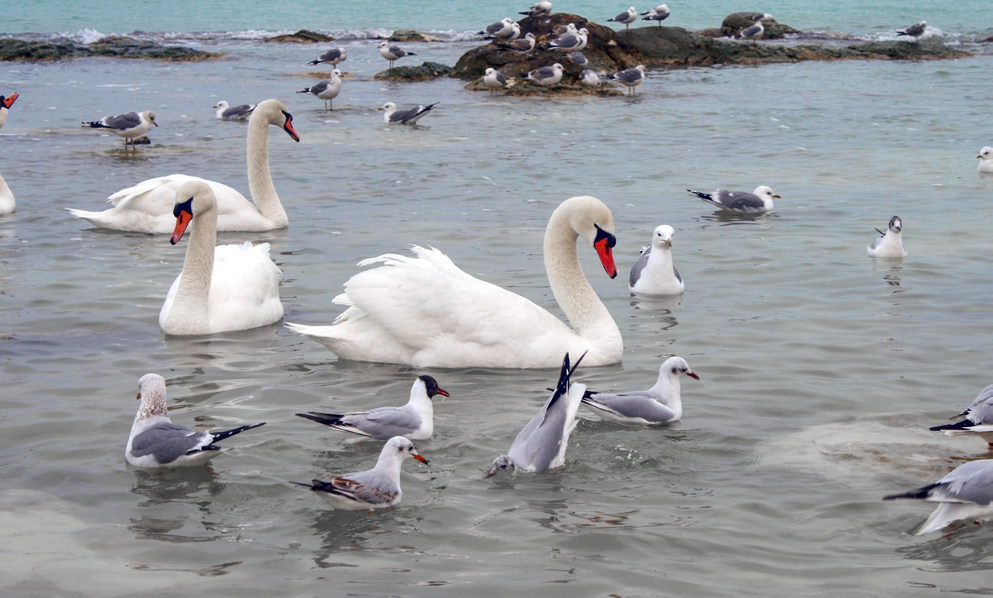
TABLE 26. COMPENSATION AND RESTORATION MEASURES FOR BIOLOGICAL RESOURCES
| Subsidiaries and Affiliates | Project | Expenditures, thousand KZT |
|---|---|---|
| Kalamkas Khazar Operating LLP | Fish stocking of the Ural River | 106,737 |
| Main Water Pipeline LLP | Fish stocking of the Kigach River | 57,740 |
| Isatay Operating Company LLP | Construction or reconstruction of fish reproduction facility infrastructure | 35,408 |
KMG’s Principles and Commitments
In the area of biodiversity conservation, the Company adheres to the following key principles:
- refraining from activities within specially protected natural areas that are of critical importance for the habitats of rare and endangered species; when planning activities in environmentally sensitive areas, preliminary risk assessments are conducted;
- applying the impact management hierarchy, which includes avoidance, minimization, restoration, and compensation of potentially significant impacts;
- participating in scientific research programs and industry partnerships aimed at developing and implementing innovative solutions in the field of environmental protection and biodiversity conservation;
- enforcing a strict prohibition on illegal hunting, fishing, and any other unauthorized use of natural resources by Company employees or contractors within contract territories.
In 2025, KMG developed a long-term Biodiversity Conservation Program covering all enterprises within the KMG Group and providing for a comprehensive approach to ecosystem protection and sustainable management. Approval of this document is planned for 2026.
Monitoring and Assessment of Ecosystem Impacts
Baseline environmental studies, as well as drilling and well testing activities, have been carried out at sites located within the state protected zone of the Northern Caspian. According to the monitoring results, the current level of anthropogenic impact is assessed as minor and does not have a significant effect on animal and bird migration routes.
The main impact factors associated with offshore operations include:
- temporary increases in suspended solids concentrations during construction activities;
- changes in seabed sediment characteristics resulting from vessel traffic;
- noise impacts generated during drilling and facility operation.
To monitor the state of the environment, KMG conducts production environmental monitoring, including surveillance of abandoned wells, as well as scientific research in the fields of hydrology, hydrochemistry, hydrobiology, and ichthyology. These studies form part of a broader set of compensatory measures aimed at mitigating the unavoidable impacts on aquatic biological resources.
CASE STUDY
Main Water Pipeline LLP carried out fish stocking activities in the Kigach River, releasing 52.167 thousand sturgeon fingerlings to support the conservation of biodiversity in the Caspian Sea and its coastal zone.
For the same purpose, in 2025 Kalamkas Khazar Operating LLP released 183.3 thousand juvenile fish into the Ural River as part of its compensatory measures.
Isatay Operating Company LLP compensated for damage to fish resources and other aquatic fauna by implementing measures that included transferring a compensatory amount intended for the construction of infrastructure for a fish reproduction facility or for the reconstruction of an existing fishery reproduction complex, totaling KZT 35,408.112 thousand.
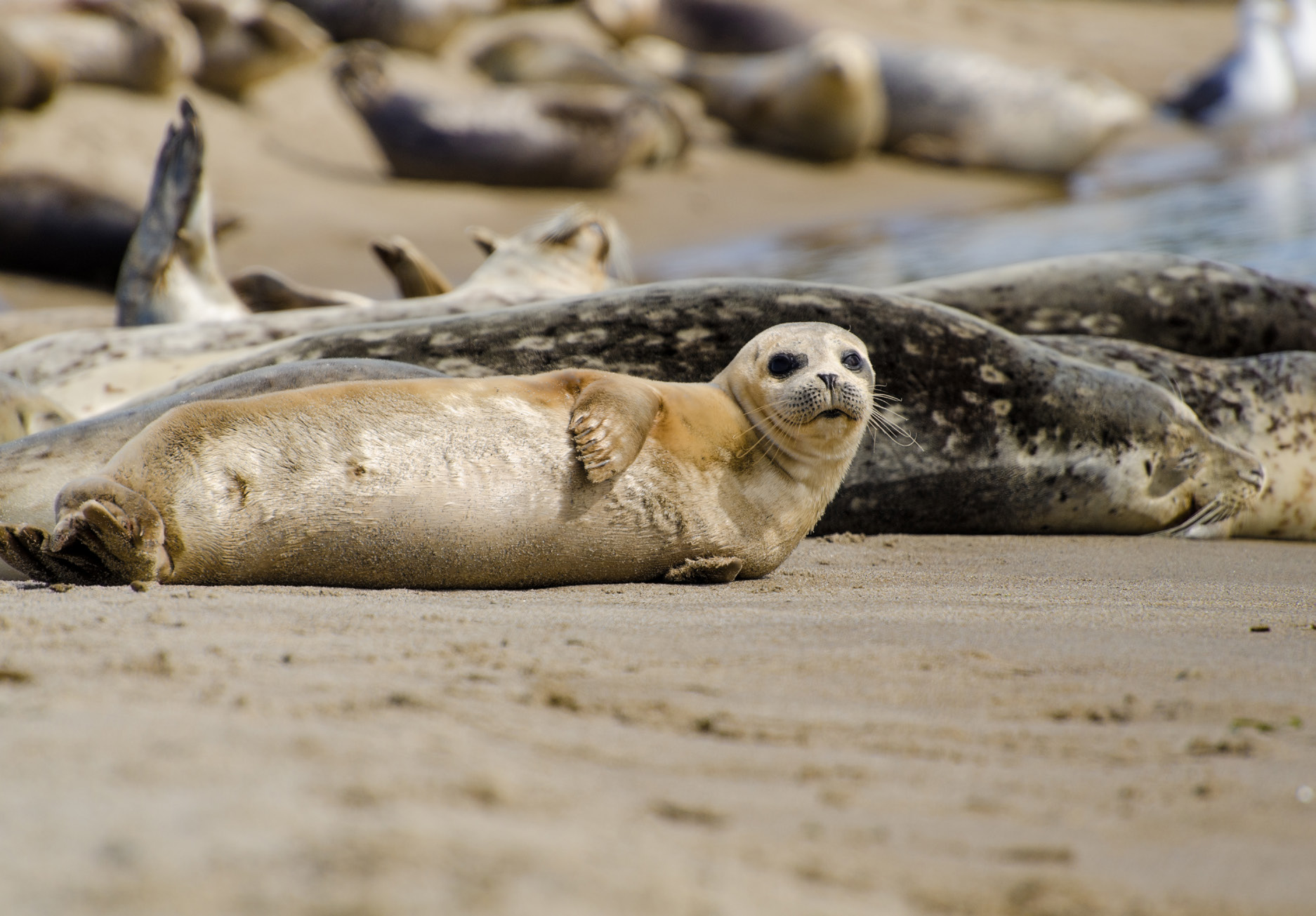
TABLE 27. COVERAGE OF SITES BY ENVIRONMENTAL ASSESSMENT, BIODIVERSITY MEASURES, AND MONITORING WITHIN ONSHORE AND OFFSHORE OPERATIONS
| Indicator | Onshore operations | Offshore operations | ||||
|---|---|---|---|---|---|---|
| 2023 | 2024 | 2025 | 2023 | 2024 | 2025 | |
| Sites where biodiversity aspects are covered by an EIA or an equivalent assessment (%) | 100 | 100 | 100 | 100 | 100 | 100 |
| Sites where regular environmental monitoring is conducted (%) | 100 | 100 | 100 | 100 | 100 | 100 |
| Sites with abandoned wells where regular monitoring of abandoned wells is carried out (%) | 100 | 100 | 100 | 100 | 100 | 100 |
Impact of power transmission lines on avifauna
One of the environmental aspects associated with production activities is the risk of bird mortality caused by collisions with power transmission lines and electrocution. This issue is particularly relevant for steppe and semi-desert areas, where the limited presence of tree vegetation encourages bird, including raptor species, to use transmission line poles as resting and nesting sites.
KMG conducts monitoring of areas with an elevated risk of impacts on avifauna, including the identification of potentially hazardous zones as part of dedicated studies and production environmental monitoring. To mitigate adverse effects, the Company implements a set of preventive measures, including the installation of visual markers on power transmission lines and the application of other technical solutions designed to protect bird species.
Strategic Approach to Biodiversity Conservation
KMG undertakes biodiversity conservation activities both within and outside specially protected natural areas. The Company’s approach includes:
- conserving and maintaining wildlife habitats and migration routes;
- minimizing and compensating for potential ecosystem impacts;
- reducing the area of disturbed land through restoration and reclamation measures.
To reduce impacts on biodiversity, KMG also implements measures to optimize the duration, intensity, and level of environmental disturbance associated with oil production and transportation processes.
The Company remains open to cooperation and the development of partnerships in the field of biodiversity conservation and invites stakeholders to submit proposals and initiatives at: hse@kmg.kz
Protected Areas and Biodiversity in KMG’s Regions of Operation
Ecosystem of the Northern Caspian and Measures for Its Conservation
The Northern Caspian is the most biologically productive part of the Caspian Sea and is characterized by high ecological value. Approximately 25 fish species inhabit the region, including sturgeon species, which account for 70–80% of global stocks within the Caspian basin. The eastern part of the Northern Caspian, as well as the deltas of the Volga, Ural, and Emba rivers, form part of specially protected natural areas and are of critical importance for preserving Eurasian biodiversity.
The Northern Caspian lies along the Siberian-Black Sea-Mediterranean migration route and serves as a breeding, migration, and wintering habitat for more than 70 bird species, including rare species listed in the Red Book of the Republic of Kazakhstan. Protected bird species are present in the region’s terrestrial ecosystems, with the steppe eagle being the most abundant.
The Caspian seal, an endemic species of the Caspian Sea, is the only large marine mammal in the region. Its life cycle is closely tied to the shallow waters of the Northern Caspian, where breeding and seasonal migrations occur.
Protected Areas and Environmental Monitoring
KMG carries out comprehensive environmental monitoring across its contract areas, including assessments of flora and fauna, marine water quality, seabed sediments, and ambient air. Monitoring activities are conducted at the Isatai, Abai, and Al-Farabi blocks, which are located near specially protected natural areas and conservation zones of the Caspian Sea.
Protected Areas in KMG’s Regions of Presence
In the Mangystau region, the Ustyurt State Nature Reserve, the Kendyrli–Kayasan conservation zone, along with several wildlife sanctuaries and a regional natural park, are located. These areas were established to preserve rare and vulnerable animal and bird species, including the little bustard and the saker falcon.
In the Aktobe region, the state nature reserve Kokzhide–Kumzhargan is located, containing unique geological formations of national and international significance.
Environmental Oversight in Oil Production Areas
KMG ensures rigorous environmental oversight at oil production facilities located near protected natural areas. Continuous environmental and groundwater monitoring is performed at the Urykhtau, Alibekmola, and Kozhasai fields. At the Karazhanbas field, regular monitoring of flora and fauna is conducted as part of production environmental control.