OCCUPATIONAL HEALTH, SAFETY AND ENVIRONMENTAL MANAGEMENT SYSTEM
GRI 3-3, GRI 403-3, GRI 403-8, GRI 403-9
The Occupational Health, Safety, and Environment management system (MS) was developed in accordance with the requirements of the legislation of the Republic of Kazakhstan, industry and international standards ISO 14001 and ISO 45001, as well as internal regulatory documents on HSE.
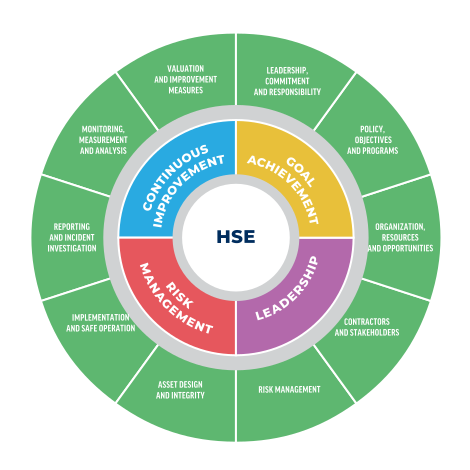
The management system is based on global oil and gas industry’s best practices and recommendations of the International Association of Oil & Gas Producers (IOGP) and includes 10 key elements based on fundamental principles: Goal Achievement, Leadership, Risk Management, and Continuous Improvement.
Occupational health, safety and environmental management system
INTERNAL CONTROLS AND IMPROVEMENTS
- HSE Assessment Management System
- HSE committee System
- HSE Compliance and RT Audits
- Set of HSE culture Improvement Actions
MONITORING
- HSE Reporting Rules
- HSE Traffic Safety Automation
- HSE KPI System
- Accident Investigation Procedure
- Automated Accident Investigation Module
- Benchmarking
IMPLEMENTATION
- Healthcare Management System
- Transport Safety Program
- Emergency Response Management Standard
- Methane Leak Detection and Monitoring Program
- Waste Management Standard
- Water Management Standard
- Energy Efficiency Roadmap
PRODUCTION INTEGRITY
- Fire Safety Preparedness
- LOTO
- Production Safety Management System
RISK MANAGEMENT
- Risk management system
- EIA Risk Assessment Standard
- Behaviour-Based Safety Observations Programme
STAKEHOLDERS
- Contractor Management Standard
- Contractor Reporting
- Public Hearings
STANDARDS
- Development and implementation of HSE standards based on global best practice
COURSE
- HSE Policy
- Transport Policy
- Alcohol Policy
- Atmospheric Emission Management Policy
STRATEGY
- Ensuring Occupational Safety
- Environmental Responsibility
GOALS
Zero:
- incidents
- spills
- discharges
- routine flaring
LEADERSHIP
- Management commitment: Forum of managers, SPE
- Three-tier HSE Committee System
Since 2006, KMG has implemented an integrated management system (IMS) for quality, environmental protection, occupational health and safety in accordance with the requirements of ISO 9001, ISO 14001, and ISO 45001. Subsidiaries and affiliates with significant energy consumption are certified for compliance with the ISO 50001 standard. The effectiveness of the IMS is regularly confirmed by independent auditors. To improve the management system, the Company is certifying its occupational health and safety management system for compliance with the requirements of the international standard ISO 45001. As of December 31, 2025, 24 subsidiaries and affiliates of KMG held valid certificates of conformity.
From November 5 to 7, 2025, KMG underwent its first surveillance audit by TÜV Thüringen, the results of which confirmed KMG’s compliance with the requirements of the international standards ISO 9001, ISO 14001, and ISO 45001.
The purpose of the management system is to provide a framework for managing risks and opportunities in the areas of occupational health, safety, and the environment. The expected outcomes of the system are the prevention of injuries and damage to the health of the Company’s employees, as well as the provision of safe and healthy working conditions. A risk-based approach to occupational health, safety, and the environment through the implementation of effective preventative measures is critical for the Company.
To increase the level of commitment and involvement of managers at all levels and employees in industrial safety, occupational health, and environmental management processes, the Company has implemented and operates a three-tier committee system:
- The first level is the Committee on Health, Safety, Environment and Sustainable Development (HSESDC) of the Board of Directors of KMG.
- The second level is the HSE Committee at the KMG level.
- The third level is the HSE Committees at the level of subsidiaries and affiliates.
Risks in the areas of industrial safety, occupational health, and the environment are monitored quarterly, including environmental risks related to climate change and water scarcity. KMG regularly analyzes its industrial safety, occupational health, and environmental performance and conducts benchmarking against leading oil and gas companies that are members of the International Association of Oil & Gas Producers (IOGP).
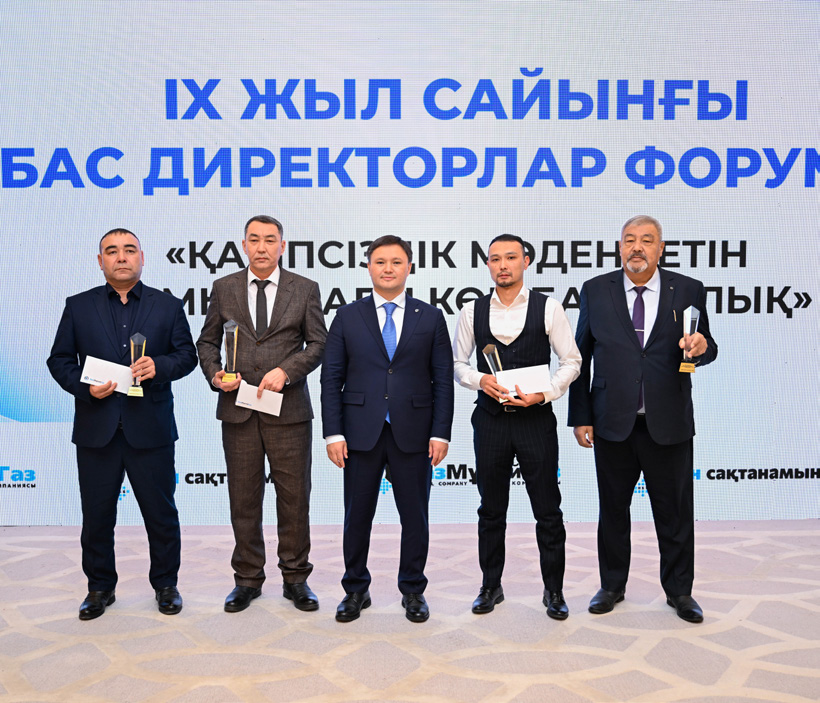
Every year, the KMG Industrial Safety Department holds the Forum of General Directors of the KMG Group of Companies in the field of industrial safety, labor protection and the environment.
CASE STUDY
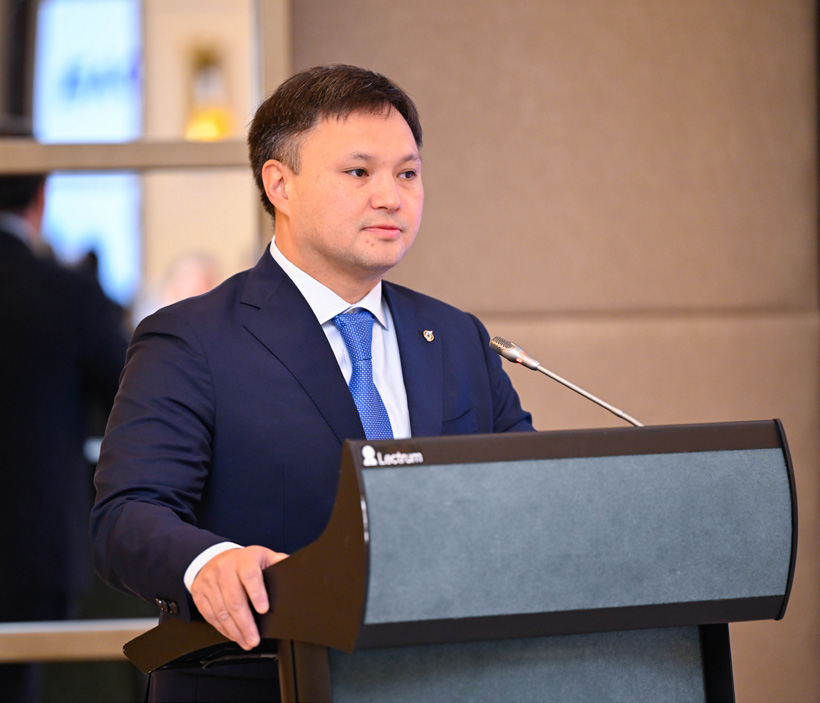
In January 2025, the 9th Annual CEOs Forum of KMG subsidiaries and affiliates titled “Leadership in Developing a Safety Culture” was held in Astana. The event was attended by KMG Management Board Chairman Askhat Khassenov, heads of the Company’s subsidiaries and affiliates, and representatives of major oil and gas companies, including TCO, KPO, and NCOC. The participants discussed key issues related to industrial safety, occupational health, and environmental protection.
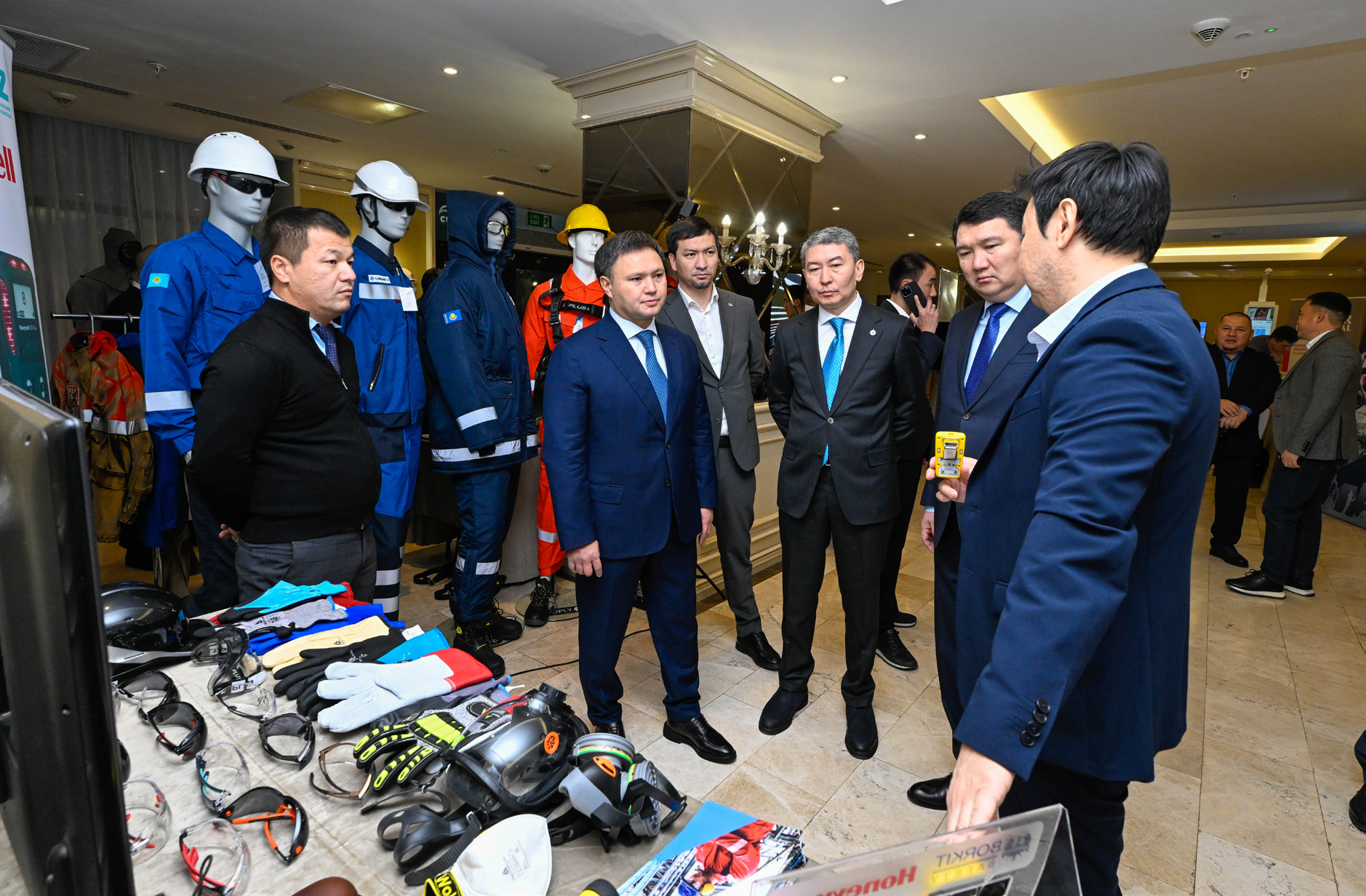
In December 2025, KMG held an HSE Forum in Astana, where KMG management and heads of industrial safety, occupational health, and environmental protection units of subsidiaries and affiliates discussed key issues of workplace safety, injury reduction, and the development of safety culture. The central focus of the forum was the implementation of a preventive approach and the planning of safe processes prior to the commencement of work at production facilities.
One of the key areas of discussion was the expansion of digital solutions, including the TUMAR intelligent system, which automatically identifies violations and signals potential incident risks. Such systems contribute to risk reduction and the creation of a safer working environment.
As a result of the forum, strategic targets for 2026 were defined, including a 30% reduction in accidents. A special role in achieving these goals is assigned to line managers, who are present at production sites on a daily basis and serve as a key link in incident prevention.