Climate and ESG Risk Management
KMG’s Approach to Managing ESG and Climate Risks
The Company manages ESG and climate-related risks within the framework of the Corporate Risk Management System (hereinafter — CRMS), which operates on a consolidated basis. Climate-related and other ESG risks are integrated into the Company’s overall risk management system and are considered alongside production, financial, strategic, and operational risks.
Climate risk management is carried out in accordance with the provisions of KMG’s Low-Carbon Development Program until 2060, approved by the Board of Directors in 2024, as well as with the requirements of the national environmental and climate legislation of the Republic of Kazakhstan.
Climate risks at KMG are identified in the Risk Register as material risks, including:
- physical climate risks;
- energy transition and carbon-regulation risks;
- risks associated with greenhouse gas emissions, methane, and flaring;
- reputational and financial implications of climate-related factors.

Corporate Management of Climate and ESG Risks
Responsibility for managing ESG and climate risks is allocated within the existing corporate governance model of KMG:
- Board of Directors provides general oversight of the risk management system, approves key strategic documents, including LCDP-2060, and reviews information on material risks.
- Management Board ensures the implementation and functioning of the Corporate Risk Management System and oversees the execution of activities related to climate and ESG risk management.
- Risk Owners and Functional Units are responsible for identifying, assessing, monitoring, and implementing measures to manage risks within their areas of competence.
KMG’s CRMS operates based on the following principles:
- regular updating of the Risk Register;
- assignment of risk owners;
- monitoring of key risk indicators (KRIs);
- reporting at the corporate level.
KMG’s risk management system is an integral part of corporate governance and is aimed at ensuring business resilience and the achievement of strategic and operational objectives. The system covers all management levels and applies to KMG, including its subsidiaries and affiliates, ensuring a unified approach to identifying, assessing, monitoring, and mitigating risks on a consolidated basis.
Risk management processes are implemented in accordance with international practices and principles, including the “three lines of defense” model, which provides for a clear distribution of roles and responsibilities among operational units. This structure enhances the transparency of processes, ensures the timely identification of risks, and strengthens the effectiveness of the internal control system.
KMG’s “Three Lines of Defense” Model for Managing Climate and ESG Risks
| Line | Coverage | Roles and Responsibilities |
|---|---|---|
| Operational Management (First Line) |
Managers and employees of KMG business units and subsidiaries who make decisions within operational, production, and investment activities |
|
| Risk Management and Internal Control Function (Second Line) |
Specialized functions of the corporate center that provide methodological support, coordination, and monitoring of the risk management system at the Company level |
|
| Internal Audit (Third Line) |
The Internal Audit function of KMG, which provides an independent assessment of risk management and internal control processes |
|
This model ensures the integration of climate-related and ESG risk management into business decision-making processes, enhances transparency and accountability, and supports the timely identification and effective management of risks that may have a significant impact on KMG’s strategy, financial performance, and overall resilience.
Risk management issues, including climate-related risks, are regularly reviewed by the Management Board and the Risk Committee, while monitoring results are submitted to the Board of Directors on a quarterly basis.
Sustainable development and the management of ESG factors are integrated into KMG’s Development Strategy for 2022-2031 and are regarded as key elements of the Company’s long-term resilience and competitiveness.
Processes for Identifying and Assessing Climate Risks
The identification of climate-related and ESG risks is carried out within the framework of the Company’s regular risk management processes, including:
- annual updating of the Risk Register;
- quarterly monitoring of material risks;
- analysis of realized risk events.
Physical Climate Risks
As part of LCDP-2060, KMG conducted an assessment of physical climate risks using the Intergovernmental Panel on Climate Change (hereinafter — IPCC) scenarios (RCP 2.6, 4.5, 8.5). The analysis covers:
- increases and decreases in temperatures;
- droughts and water scarcity;
- extreme weather events (floods, storms, high winds);
- long-term climate changes affecting asset resilience.
The results of the assessment are used to develop asset-level adaptation measures but are not integrated as a standalone formalized assessment tool within the Corporate Sustainability Management System.
Transition Climate Risks
Transition risks are assessed with consideration of:
- tightening environmental and climate regulations;
- changes in the emissions trading system;
- potential increases in costs associated with emissions and energy;
- shifts in product demand and technological requirements.
Under LCDP-2060, NGFS scenarios were used to assess potential impacts of the energy transition; however, these scenarios are applied for analytical and strategic purposes and are not used as a mandatory element of the corporate risk assessment process.
Management, Monitoring, and Response Measures
Climate-related and ESG risk management includes:
Integration into Planning Processes
Climate factors are considered when developing strategic and investment decisions, including planning measures to reduce emissions and improve energy efficiency.
Risk and Indicator Monitoring
As part of the Corporate Risk Management System (CRMS), key risk indicators reflecting environmentally and climate-significant factors are used, including:
- emissions and flaring indicators;
- incidents and environmental accidents;
- fines and financial consequences related to environmental violations.
Implementation of Measures
Key measures for managing climate-related and ESG risks include:
- energy efficiency improvement programs;
- development of renewable energy sources (RES) and reduction of carbon intensity;
- methane emissions management programs (LDAR);
- CCUS pilot projects and offset initiatives;
- adaptation of infrastructure to physical climate risks.
Reporting and Transparency
KMG ensures the disclosure of information on climate risks and related actions through:
- annual reporting on the implementation of LCDP-2060;
- corporate ESG reporting;
- participation in international voluntary disclosure initiatives.
KMG’s risk profile during the reporting year was shaped by significant external influences, including macroeconomic and geopolitical volatility, regulatory and sanction-related constraints, as well as increasing environmental and social requirements. These factors underscore the growing importance of proactive risk management and the adaptation of business processes to the conditions of the low-carbon transition.
During the reporting year, the Company updated the consolidated Risk Register and enhanced the regulatory framework for risk management, including the approval of:
- The Risk Management System Policy for KMG and its subsidiaries and affiliates;
- The Instruction on organizing the risk management process, including procedures for identification and assessment for KMG subsidiaries and affiliates.
Additionally, the monitoring of sanctions-related and regulatory risks was strengthened, and a pilot project on the automation of key risk indicators was launched.
The key climate-related and ESG risks, along with the corresponding management measures, are presented in the table below.
Climate and ESG Risks
Climate Risks and Low-Carbon Development
| Risk Description | Risk Mitigation Measures |
|---|---|
| Environmental Aspect | |
|
Climate risks for KMG are associated with the transition to a low-carbon economy and with the physical impacts of climate change. These include:
Potential Impact Climate risks may lead to increased operational and capital expenditures (quotas, fines, compliance), suspension of operations in case of violations, reduced profitability of certain assets, reputational risks, and impacts on ESG ratings and access to capital. Climate-related opportunities may influence demand for the Company’s products and the long-term resilience of the business. |
KMG is actively working to reduce climate risks, including:
KMG continues to improve adaptation measures to climate change, reducing the impact of climate risks on the Company’s operations. |
Risk of Negative Environmental Impact
| Risk Description | Risk Mitigation Measures |
|---|---|
| Environmental Aspect | |
|
KMG is exposed to the risk of negative environmental impact, including emissions of pollutants into the air, water and soil contamination, as well as increasing environmental regulatory requirements. Noncompliance with environmental standards may lead to stricter sanctions, additional financial costs, and damage to the Company’s reputation. Potential Impact The realization of environmental risk may lead to fines, excess payments, environmental remediation costs, and legal liability. Furthermore, a decline in environmental performance may negatively impact investment attractiveness and the long-term sustainability of the business. |
To minimize environmental impact, KMG implements a comprehensive set of actions:
KMG continues to improve environmental protection measures, ensuring compliance with environmental requirements and reducing the impact of its operations on the environment. |
Risk of Oil Spills During Offshore Operations
| Risk Description | Risk Mitigation Measures |
|---|---|
| Environmental Aspect | |
|
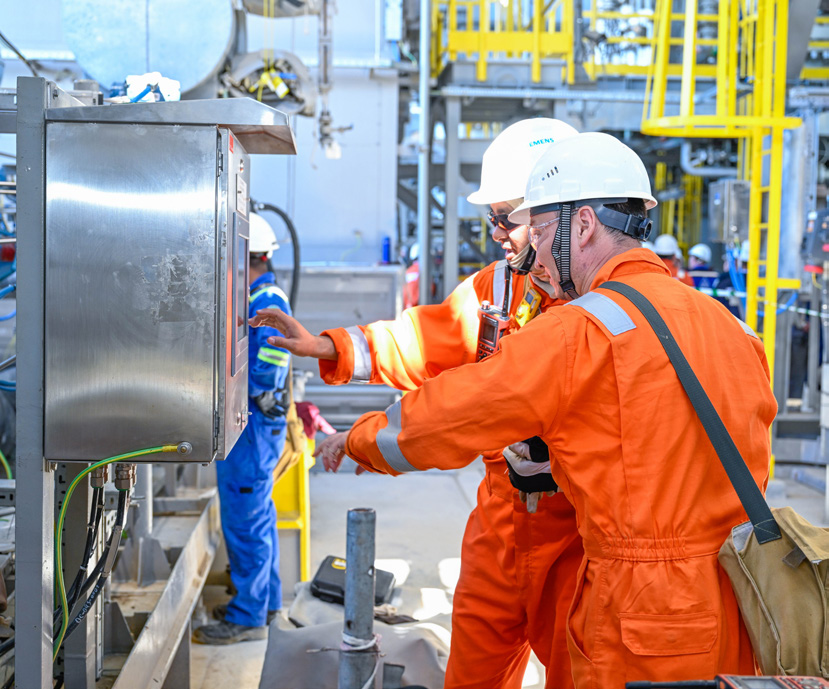
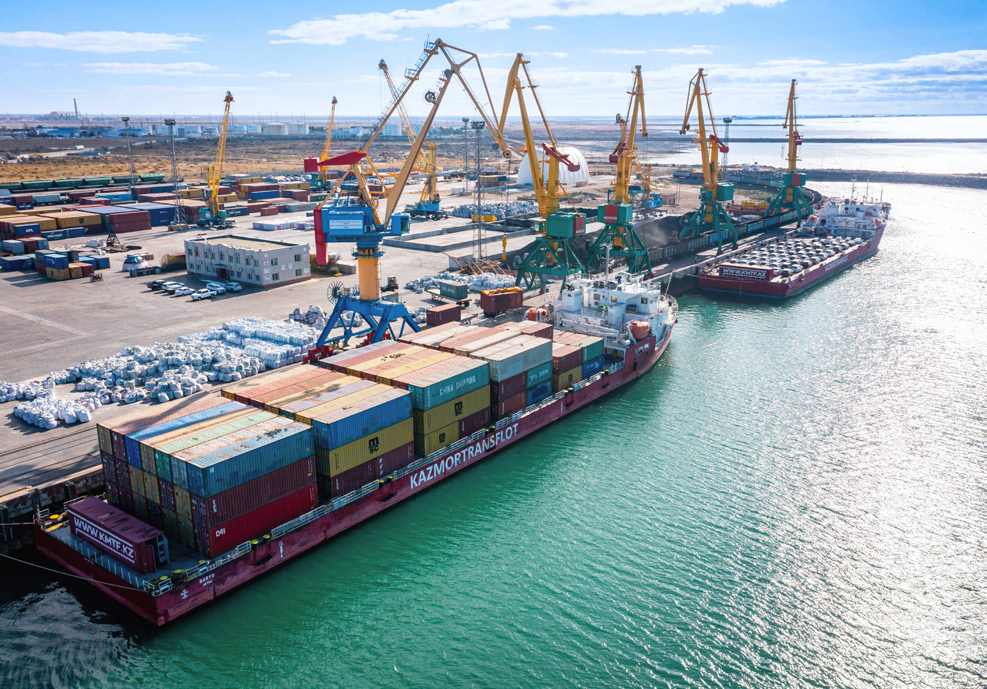
Oil spills may occur due to violations of technological procedures, pipeline accidents, equipment failures, and challenging natural conditions in the Caspian Sea. Risk factors include shallow waters, high reservoir pressure at the fields, the presence of hydrogen sulfide, and seasonal freezing of the surface. Potential Impact Oil spills can cause severe environmental damage, halt production processes, and result in significant financial costs for response and compensation efforts. |
To minimize the risk of oil spills during offshore operations, KMG implements a set of preventive measures, including:
Based on the results of 2025, no cases of oil spills during offshore operations were recorded. Considering the absence of incidents and the preservation of process controllability, the risk of oil spills in 2025 is assessed as stable, without deterioration compared to 2024. KMG continues to improve its oil spill prevention and response system, reducing potential environmental and financial risks. |
Risk of Industrial Accidents and Technogenic Disasters at Production Facilities
| Risk Description | Risk Mitigation Measures |
|---|---|
| Environmental Aspect | |
|
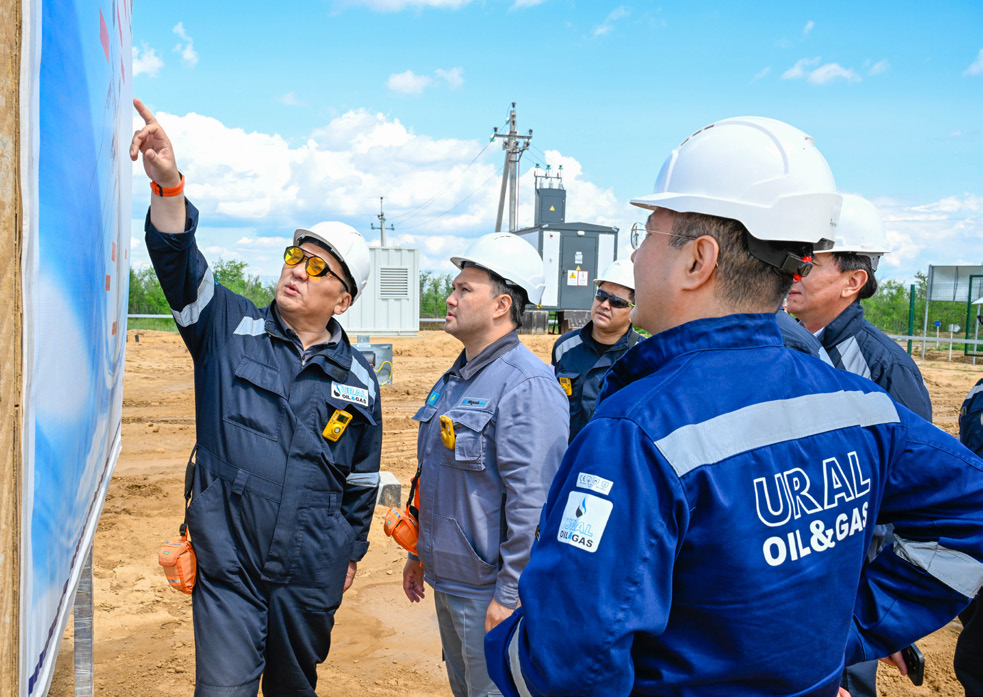
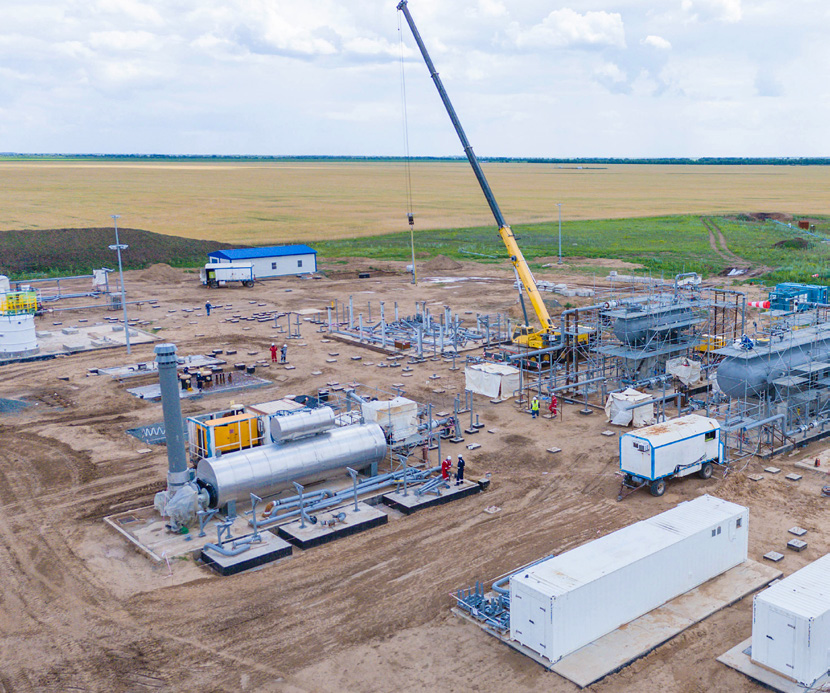
KMG’s production activities involve a high level of hazard, creating the risk of accidents, explosions, fires, and other industrial disasters. Potential causes include equipment wear and tear, violations of technological processes, human error, and adverse external factors. Potential Impact Accidents at production facilities may lead to injuries and fatalities of employees, destruction of equipment and infrastructure, significant financial recovery costs, and environmental damage. |
To prevent accidents, KMG implements a comprehensive set of measures:
KMG continues to improve its systems for preventing and responding to technogenic risks, ensuring robust protection of personnel, equipment, and the environment. |
Occupational Injury Risk
| Risk Description | Risk Mitigation Measures |
|---|---|
| Social Aspect | |
|
The risk of occupational injuries is associated with non-compliance with occupational safety rules, violations of workplace discipline, and exposure to hazardous and harmful production factors. This may lead to accidents, loss of working capacity, and threats to employee life. Potential Impact Occupational injuries may result in serious consequences, including:
|
To prevent workplace injuries, KMG implements a systematic approach to occupational health and safety:
KMG is committed to reducing injury rates by ensuring safe working conditions and fostering a strong safety culture among employees. |
Risk of Occupational Diseases
| Risk Description | Risk Mitigation Measures |
|---|---|
| Social Aspect | |
|
KMG’s production activities involve exposure to adverse factors such as intoxication, pollution, vibration, noise, and significant physical strain. Prolonged exposure to these factors can lead to occupational diseases. There is also a threat of infectious disease outbreaks, including new virus strains, which may impact employee health and the stability of production processes. Potential Impact
|
To reduce the risk, KMG implements a set of measures aimed at protecting employees’ health and preventing occupational diseases:
KMG continues to enhance its occupational health and safety system, minimizing the risks of occupational diseases, the threat of infectious disease spread, and ensuring safe working conditions. |
Shortage of Qualified Personnel
| Risk Description | Risk Mitigation Measures |
|---|---|
| Social Aspect | |
|
This risk is associated with employee turnover, a shortage of specialists with the required competencies, and potential challenges in attracting and retaining qualified personnel. The shortage may be driven by a competitive labor market, workforce migration, and evolving professional requirements. Potential Impact
|
KMG implements a comprehensive approach to attract, develop, and retain talent:
KMG continues to reduce human capital risks by creating attractive conditions for professional growth, engagement, and long-term retention of employees. |
Terrorism Risk
| Risk Description | Risk Mitigation Measures |
|---|---|
| Social Aspect | |
|
The risk is associated with the possibility of terrorist and other violent acts directed against the Company’s personnel, contractors, and assets. KMG’s operations cover regions where there is a likelihood of security threats, and the use of modern technical means increases potential vulnerability, which requires the implementation of systematic measures to protect employees and facilities. Potential Impact
|
KMG implements a comprehensive set of safety measures:
KMG continues to enhance the physical security and anti-terrorist protection system, ensuring the safety of employees and assets. |
Social Climate in Regions of Operation
| Risk Description | Risk Mitigation Measures |
|---|---|
| Social Aspect | |
|
The social situation in the regions of presence of KMG’s subsidiaries and affiliates may be characterized by increased sensitivity to issues of wages, working conditions, employment, and social guarantees, which under certain circumstances may lead to social tension, labor conflicts, and unauthorized strikes by employees of subsidiaries and affiliates. In 2025, no strikes or protest actions were recorded in KMG’s subsidiaries and affiliates. At the same time, 9 strikes were recorded in contractor organizations in the Mangystau Region, which were resolved within the legal framework in cooperation with the relevant government authorities. Potential Impact
|
KMG is taking a comprehensive approach to stabilize the social climate:
Despite the continuing sensitivity of the social agenda in the regions of presence, the implemented system of monitoring and preventive response enables KMG to effectively manage this risk and maintain a stable social environment. |
Compliance Risks
| Risk Description | Risk Mitigation Measures |
|---|---|
| Corporate Governance | |
|
Compliance risks are associated with potential instances of corruption, violations of legislation, and internal regulatory documents, which may result in financial losses, reputational damage, and legal consequences. Ensuring transparency in business processes and adherence to ethical standards is a key priority for KMG. Potential Impact
|
KMG implements a range of measures to prevent compliance risks:
KMG continues to improve its compliance control system, ensuring transparency of business processes and minimizing the risk of legal violations. |
Continuous Improvement of the System
KMG’s system for managing ESG and climate risks is subject to regular review and updating, taking into account:
- changes in the external environment and regulation;
- results of monitoring and realized risks;
- accumulated practical experience in implementing LCDP 2060.
KMG considers the management of climate and ESG risks as an element of ensuring the long-term sustainability of the business, while the goals and tools for their management are adjusted as the regulatory framework, technologies, and corporate priorities evolve.
ESG Rating
MSCI Assessment
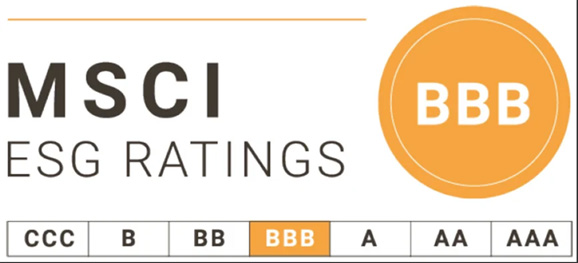
According to the assessment of the international financial company MSCI, KMG maintained an ESG rating of “BBB” in the reporting year, which corresponds to an average level within the industry. This reflects balanced management of environmental, social, and governance risks.
According to the MSCI methodology, a “BBB” rating reflects the Company’s moderate exposure to material ESG risks and its ability to manage them at a level comparable to industry peers.
Environmental Component (E)
In the environmental pillar, MSCI notes KMG’s strong performance on biodiversity and land use, where the Company demonstrates efforts to reduce its negative environmental impact and implement land reclamation activities for disturbed areas.
In the area of climate change and carbon emissions management, MSCI notes the integration of climate aspects into the Company’s development strategy and risk management system. KMG’s practices in the field of energy efficiency, the use of cleaner energy sources, and the reduction of greenhouse gas emissions are assessed at an average level, while MSCI classifies KMG’s emission reduction targets as moderate.
At the same time, MSCI indicates high exposure to risks related to pollutant emissions and waste, due to the specifics of the Company’s operations. The further development and formation of a comprehensive program to reduce pollutants with established targets and a formalized management system is viewed as an additional opportunity to strengthen the Company’s performance in this area.
Social Component (S)
In the social sphere, KMG demonstrates an average level of indicators compared to international industry peers. In the area of engagement with local communities, MSCI notes a high share of the Company’s operations that may potentially affect ecosystems and living conditions of the population, as well as the need for further development of a systematic approach to assessing and managing social risks.
At the same time, the Company demonstrates relatively strong performance on the key issue of occupational health and industrial safety. In the “Health and Safety” category, KMG’s performance in 2025 reflects a well-developed occupational health and safety management system and compliance with industry standards.
Corporate Governance (G)
In terms of corporate governance, MSCI notes the presence of an independent majority on the Board of Directors, which contributes to effective oversight of the Company’s activities. At the same time, MSCI identifies areas for improvement, including issues of gender diversity in the composition of the Board of Directors, remuneration disclosure, and risk management in the area of business ethics.
International financial company MSCI (New York, USA)
MSCI Inc. is an American financial services company that provides global equity, bond, and real estate indexes, ESG and climate products, and portfolio analytics. MSCI Inc. assists investors worldwide in making informed investment decisions by providing data and analytical tools for assessing risks and opportunities across various asset classes.
MSCI Assessment Methodology
The MSCI ESG Rating represents an industry-comparable assessment of companies’ management of material environmental, social, and governance (ESG) risks and opportunities. The assessment is conducted taking into account factors that may impact the sustainability of financial performance, reputation, and value creation of a company. Ratings are assigned on a seven-point scale ranging from AAA (highest level of ESG risk management) to CCC (lowest level), with the analysis focused on peer comparison within the same industry and taking into account financially material ESG factors.
For reference
The ESG Rating constitutes an evaluation of a company’s environmental, social, and corporate governance risks. It represents a strategic instrument leveraged by investors in the investment decision-making process, enabling the identification of a company’s risks and opportunities with a view to determining its long-term sustainability and resilience.